
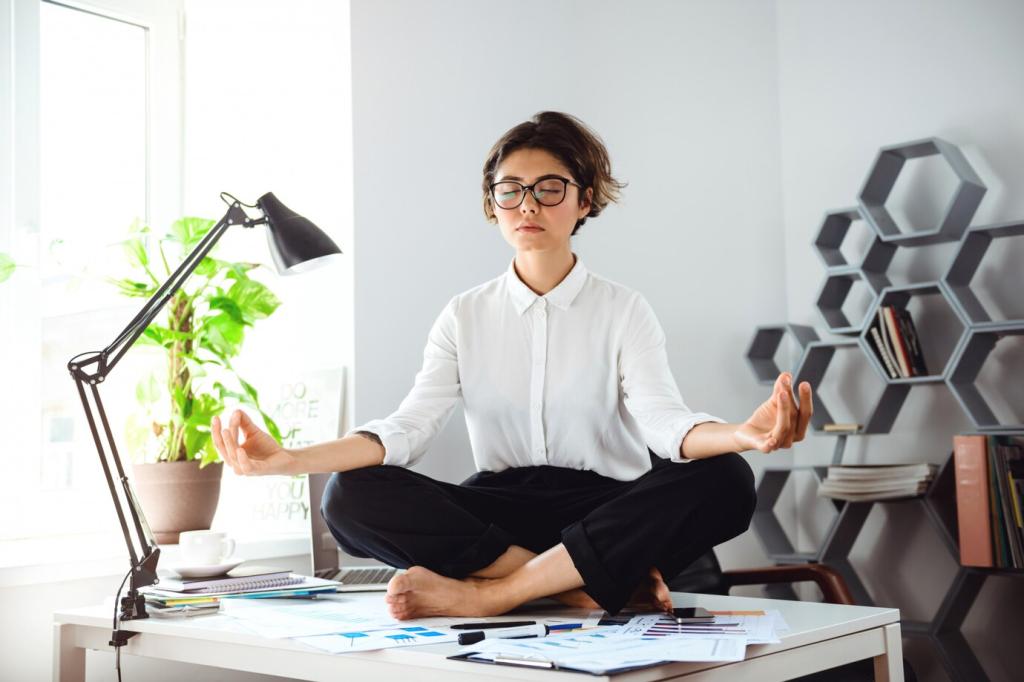

Today’s chosen theme: Incorporating Physical Activity into a Hectic Day. Discover smart, sustainable ways to move more without adding hours to your schedule, so you finish each day energized, clear-headed, and proud. If this resonates, subscribe and share how you fit movement into your busiest moments.

The 5-Minute Mobility Reset

Set a timer for five minutes between calls and cycle through neck circles, hip hinges, thoracic twists, and ankle rocks. You will unkink desk tension, improve posture, and return sharper to your next task. Share your go-to mobility move below.

Stair Sprints and Elevator Alternatives

When time is tight, treat stairwells as cardio corridors. Climb briskly for one flight, recover for one, and repeat until your heart rate rises. Even two minutes builds capacity. Post your best stair tip to inspire another rushed reader.

Desk-Friendly Strength Moves

Rotate sets of incline push-ups on a sturdy desk, chair squats, and standing calf raises. These compound movements recruit major muscles without equipment, protecting joints and metabolism. Log your three-move circuit in the comments to help others get started.

Commuter Fitness, No Extra Time Needed

Get off transit one stop early or park farther away to bank an extra 10 minutes of brisk walking. Swing your arms, lengthen your stride, and breathe through your nose. Comment with your new walking landmark to keep the habit anchored.

Energy and Recovery to Sustain Movement

Snack Smarter for Movement

Keep balanced snacks ready: Greek yogurt with berries, a handful of nuts, or hummus with carrots. Stable energy curbs afternoon slumps and makes adding movement easier. Post your favorite quick snack combo to inspire sustainable choices in the community.

Micro-Recovery Routines

After a brief workout, do sixty seconds of gentle stretches: calves on a wall, chest openers, forearm flexors. Add a glass of water and one deep breath cycle. Recovery locks in progress. Share your mini cool-down to help others stay consistent.

Your Environment as a Silent Coach

Place a resistance band by the coffee maker, a yoga mat near the television, and a kettlebell beside your desk. Each item suggests a two-minute routine. Share a photo description of your setup to spark ideas for other readers.

Your Environment as a Silent Coach

Set gentle reminders every 50–60 minutes, or use a wearable’s stand alerts. When the cue hits, do a quick set: lunges, band rows, or shoulder CARs. Report which tool kept you most consistent so others can experiment confidently.

Stories from the Overbooked

A Parent’s 10-Minute Turnaround

Mai, a project manager and mom of two, layered squats into snack prep and lunges during bath-time. Ten daily minutes rekindled her energy for evening play. If you are a caregiver, post your two clever stacking moments to help others.

Startup Founder’s Stair Pact

Ravi promised his cofounder three stair flights after every pitch rehearsal. The ritual became a stress valve and team joke. Weeks later, his resting heart rate dropped. What micro-pact could you make with a colleague? Share it to keep yourself honest.

Nurse’s Night-Shift Stretch Circuit

Alyssa used charting breaks for wrist extensions, hamstring flossing, and gentle neck glides. Her headaches faded, and she slept better post-shift. If you work irregular hours, describe one movement that soothes your toughest window, so others can try it.

Track Progress Without Obsession

Pick simple targets: three movement snacks per day, or ten minutes of walking after lunch. Check boxes, not egos. When you hit a streak, acknowledge it publicly here. Small wins build identity, which sustains activity on the busiest days.

Track Progress Without Obsession

Once weekly, glance at steps, active minutes, or strength sets logged. Note one insight and one tweak. Then move on. The goal is direction, not judgment. Share your single tweak below to keep our community experimentation-friendly.
Checkaitext
Privacy Overview

This website uses cookies so that we can provide you with the best user experience possible. Cookie information is stored in your browser and performs functions such as recognising you when you return to our website and helping our team to understand which sections of the website you find most interesting and useful.